
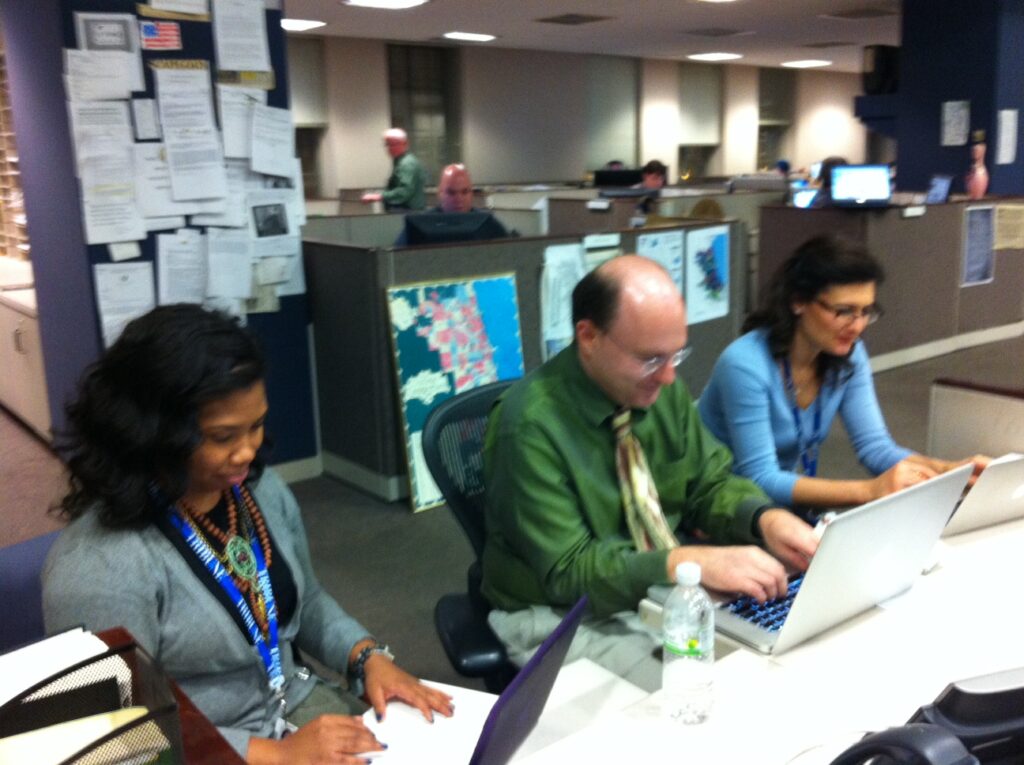
The romantic image of investigative journalism involves a lone reporter and a source in a car park. The reality of the modern craft is more collaborative, more technical and, in its way, more interesting. Today’s landmark investigations are often built by international teams sharing encrypted document troves, verifying video frame by frame, cross-referencing corporate registries in a dozen languages and still, at the crucial moment, knocking on a door to ask a person a question they would rather not answer. The tools have changed beyond recognition. The purpose, exposing what power would prefer hidden, has not.
Research from the Reuters Institute documents how audiences reward this work with trust and subscriptions, while networks such as the International Consortium of Investigative Journalists have industrialised the collaboration model, coordinating hundreds of reporters under embargo so that a story about global finance or offshore wealth lands everywhere at once, too widely to be quietly suppressed anywhere. More media stories are on our homepage.
Documents, data and the new shoe leather
Leaks remain the classic starting point, but their scale has transformed the job. A modern leak can contain millions of documents, far beyond any individual’s reading capacity, which is why newsrooms now employ data journalists and engineers alongside reporters. Searchable archives, machine translation and entity-recognition software turn the mountain into something navigable, though the decisive insights still tend to come from a human who notices that one name, one date or one transaction does not fit the pattern around it.
Open-source investigation has added an entirely new discipline. Satellite imagery can confirm whether a facility was built when officials claim. Geolocation, matching landmarks in a video to street-level photography, can place an event precisely. Flight and shipping trackers, planning records and archived web pages all leave public traces that skilled researchers assemble into timelines sturdy enough to publish and defend. The craft’s ethicists spend corresponding effort on verification, because the same tools that expose wrongdoing can, used carelessly, convict the innocent in the court of social media.
The unglamorous backbone: law, safety and time
Behind every published investigation sits work audiences never see. Lawyers read drafts line by line, testing what the evidence supports. Right-of-reply letters go out, sometimes producing explanations that change the story, sometimes producing threats that test the organisation’s nerve. Security specialists protect sources whose exposure could cost them their livelihoods or freedom, in a world where digital traces are easily subpoenaed and newsrooms themselves are hacking targets.
Time is the scarcest resource of all. A serious investigation can take a year, during which it produces nothing publishable and competes, inside its own organisation, with the daily output that pays the bills. That economics explains both the rise of non-profit investigative outlets funded by readers and foundations, and the fragility of the craft inside commercial media under pressure. Our media coverage follows that business story closely, because the supply of investigations depends on it as surely as on reporters’ courage.
Why it still matters
The case for the craft is ultimately empirical. Investigations have recovered stolen public money, freed prisoners, changed laws on subjects from care homes to tax havens and forced resignations that no press release would have volunteered. They also serve a quieter function: the knowledge that someone might check changes behaviour in advance, in boardrooms and ministries that never become stories at all.
Television taught audiences to expect revelations delivered with music and confrontation. The real craft is slower, more collective and more careful, and its products increasingly arrive as collaborations across borders and platforms. But its heartbeat is unchanged since long before the database era: find out what happened, prove it, and give the people it happened to a public answer. Every generation of reporters believes it works in the hardest conditions the profession has known. Every generation, in its own way, is right, and does the work anyway.
