
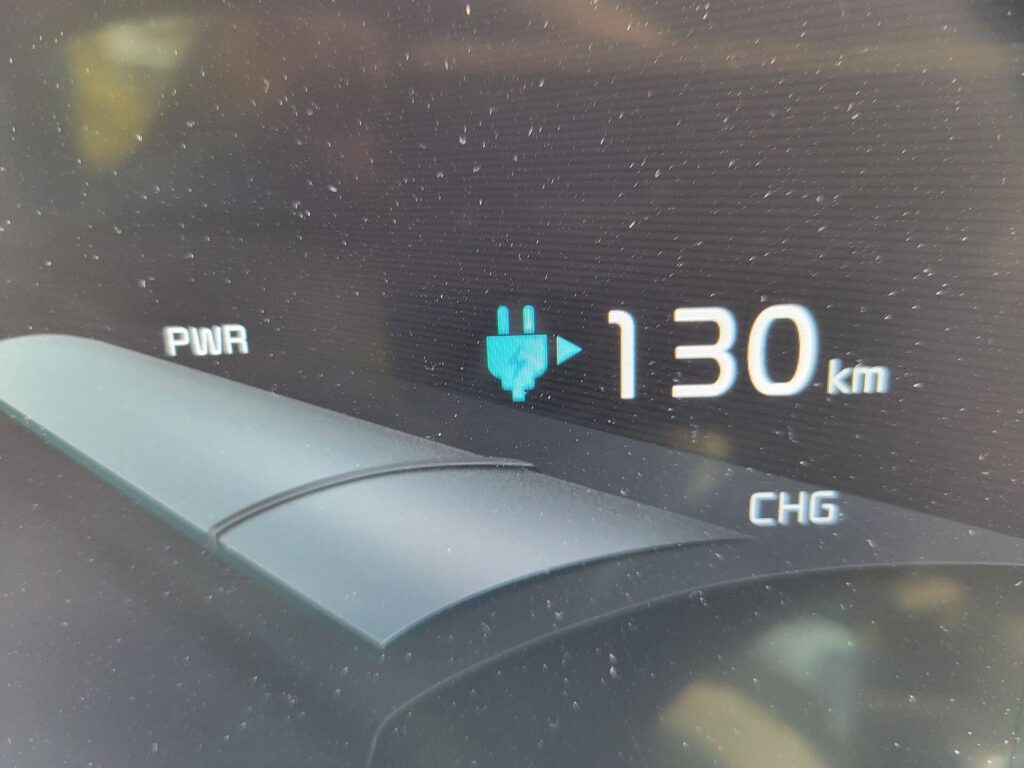
An electric car parked on a driveway holds enough electricity to run an average home for several days, and a growing number of households can now actually use it. Vehicle-to-home systems connect compatible cars to a special charger that reverses the flow during a power cut, keeping lights, heating controls, refrigeration and internet running while the grid is down. Early adopters in storm-prone regions describe the experience as unremarkable in the best possible way: the house switches over automatically, and the car’s dashboard simply shows the battery reserving enough charge for the morning drive. Energy companies are watching the installed base closely, because the same hardware can later sell electricity back at peak prices or absorb surplus solar power at midday. What began as an emergency feature is becoming a serious conversation about cars as distributed energy storage, with millions of batteries already parked outside homes every night.
What the Evidence Shows
Practical and regulatory hurdles still slow the rollout. Only some models support two-way charging, the required home equipment remains expensive, and local rules written for generators do not always accommodate a battery on wheels. Battery longevity is the question owners ask most: manufacturers answer that occasional home backup cycles are gentle compared with daily driving, and several now guarantee capacity even when vehicle-to-home is used regularly. Trials in which fleets of cars support the grid have shown that aggregated vehicles can respond to demand spikes faster than conventional power stations, though paying thousands of owners fairly for small amounts of energy requires new software and new contracts. Housing developers have begun pre-wiring new homes for two-way chargers, betting that resilience will sell. The technology’s trajectory now depends less on invention than on standards, warranties and the mundane work of certification. Reporting and analysis from sources such as IEEE Spectrum track the same developments, and specialists following vehicle to home electric car power say the direction is now consistent across independent lines of evidence.
The Wider Context
Adoption of vehicle to home electric car power follows a familiar pattern with an unfamiliar speed. Early users tolerate rough edges in exchange for advantage, mainstream users arrive when the tool disappears into existing workflows, and the market consolidates around whoever made that transition feel effortless. Vendors are racing less on raw performance now than on integration, support and trust.
What Happens Next
The realistic forecast for vehicle to home electric car power is steady integration rather than sudden replacement: embedded in products people already use, improving in increments, and regulated in proportion to its reach. The companies and institutions that plan on that basis, training staff and redesigning processes instead of chasing launches, are the ones the adoption data tends to vindicate. You can follow related developments in our coverage of technology.
It is also worth remembering how quickly the picture in this area has changed before. Positions that looked settled a few years ago have been revised as new data arrived, and the same humility is appropriate now. The strongest coverage of this subject, and the most useful advice, tends to come from sources that update their views openly when the facts move, rather than defending an earlier position long after it has stopped fitting the evidence available.
