
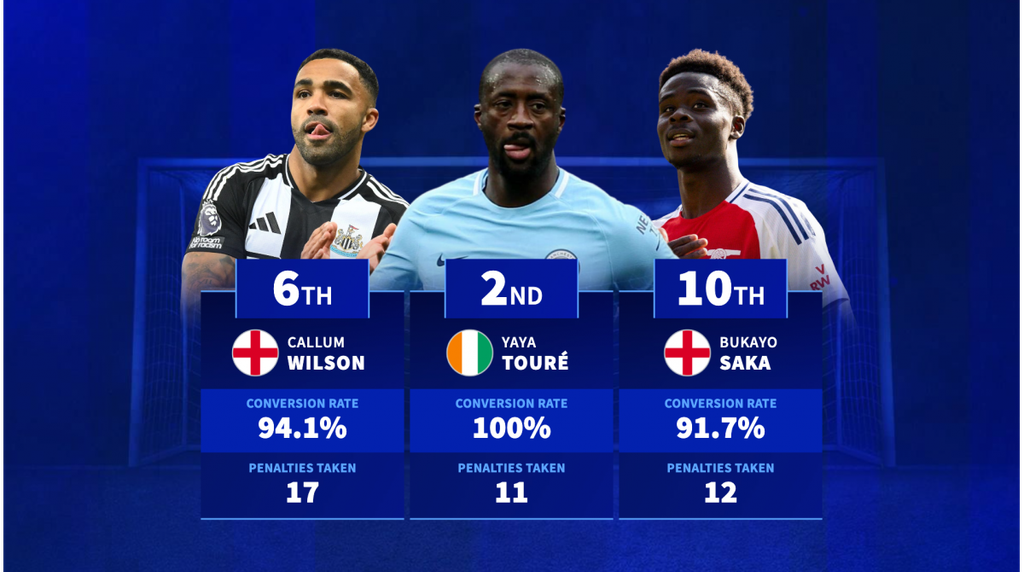
The distribution of penalty kicks during the 2008/2009 Premier League campaign offered a revealing window into how officiating interpretations interacted with team playing styles inside the crowded penalty area. Sides that committed intense numbers to the final third or utilized pacy, direct dribblers naturally forced defenders into panicked, reactive challenges that compelled referees to point to the spot. Conversely, conservative clubs operating with deep defensive blocks minimized their exposure to high-risk box infractions, successfully lowering their overall penalty concession rates. Analyzing these historical penalty differentials provides a rigorous framework for understanding how stylistic tendencies dictate high-value scoring opportunities over a grueling thirty-eight-game season.
Tactical Triggers for Penalty Generation
Generating consistent penalty opportunities requires an attacking blueprint centered around quick, agile ball movement in tight spaces around the opponent’s eighteen-yard box. Teams during the 2008/2009 season that relied heavily on overlapping wing-backs and central midfielders making late runs into the penalty arc frequently drew desperate sliding tackles from overextended defenders. When an attacker established body position between the defender and the ball, any upper-body contact or mistimed sweep from behind immediately left the official with little choice but to award a penalty. This direct correlation between high-intensity box entries and penalty acquisition meant that elite attacking units enjoyed a distinct statistical advantage in dead-ball conversion markets.
Profiling Penalty Acquisition and Concession Profiles
| Club Category | Primary Attacking Style | Average Penalties Won | Average Penalties Conceded | Defensive Vulnerability Factor |
| Elite Title Contenders | Sustained possession and intricate passing | High | Low | Rare misjudgments in transitional defense |
| Mid-Table Direct Sides | Counter-attacking pace and wide crosses | Moderate | Moderate | Occasional scrambling fouls during retreats |
| Relegation-Threatened Units | Low block and desperate rear-guard clearances | Low | High | Frequent panic-driven contact under pressure |
Quantifying the macro-trends across the league demonstrates that officiating consistency during this era heavily penalized defensive disorganization in crowded penalty boxes. While elite clubs earned penalties through sheer territorial dominance and sustained pressure, struggling sides at the bottom of the table routinely conceded spot-kicks due to chronic defensive fatigue and poor spatial tracking. Monitoring these structural indicators allowed sharp analysts to anticipate which fixtures carried a statistically elevated probability of referee intervention inside the crucial scoring zone.
The Mechanics of Defensive Vulnerability Inside the Box
Defending a penalty area under intense, sustained pressure requires impeccable footwork, spatial awareness, and absolute discipline from every member of the backline. When a defense became stretched due to rapid shifts of play or overlapping runners, individual defenders frequently resorted to desperate measures to prevent clean shooting angles.
Core Defensive Errors Leading to Penalty Awards
- Pulling an opponent’s shirt or arm during high-velocity set-piece deliveries
- Sliding prematurely on wet turf and missing the ball entirely while clipping the attacker’s ankles
- Blocking a goal-bound shot with extended arms or hands in unnatural positions
Offensive Exploitation Mechanisms
- Utilizing sudden changes of direction to draw trailing legs from tired defenders
- Shielding the ball with the torso to invite contact from behind inside the scoring arc
- Creating chaotic scrambles from low crosses that force panicked clearances
Analyzing these mechanical breakdowns clarifies why specific clubs consistently found themselves on the wrong end of penalty decisions throughout the campaign. Defenders who lacked elite recovery pace were disproportionately vulnerable when forced to turn and chase nimble attackers heading directly toward the goal line.
Environmental and Refereeing Influences on Spot-Kick Frequency
The physical intensity and hostile stadium atmospheres characteristic of English football during the winter months of 2008/2009 exerted subtle pressures on refereeing decisions. Officials operating in high-pressure environments occasionally struggled to maintain uniform thresholds for penalty box contact, particularly when vocal home crowds reacted passionately to penalty appeals. Wet winter pitches also increased the frequency of accidental slips and mistimed sliding challenges, converting routine defensive interventions into dangerous fouls. These external variables introduced a layer of variance that historical data models had to account for when assessing referee tendencies.
Analytical Context for Matchday Wagering Applications
When assessing how dead-ball opportunities impact live betting markets and match outcome probabilities, professional observers evaluate historical penalty data to refine their pricing models. Understanding a team’s propensity to draw fouls or surrender spot-kicks helps remove emotional bias when evaluating tightly contested fixtures where a single penalty could completely alter the game state. Observation of these historical patterns via an online betting destination allows analysts to cross-reference referee strictness with team tendencies, identifying discrepancies between public expectations and true statistical probabilities. This meticulous approach transforms raw historical data into practical, applied understanding for evaluating modern match dynamics.
Common Analytical Flaws in Assessing Penalty Statistics
A frequent mistake made by casual สมัคร ufabet168 is treating penalty statistics as random anomalies rather than the direct byproduct of specific tactical philosophies. Assuming that every team possesses an equal baseline probability of winning or conceding a penalty ignores the reality that certain styles actively invite or discourage box infractions. Relying on raw season totals without adjusting for the quality of opposition or territorial dominance leads to distorted risk assessments and flawed market evaluations. Overcoming these analytical shortcuts requires examining the micro-tactics of how teams attack and defend within the final eighteen yards of the pitch.
Summary
The distribution of penalties awarded and conceded during the 2008/2009 Premier League season was firmly rooted in tactical execution, defensive discipline, and territorial dominance. Teams that maintained high attacking pressure inside the final third consistently generated more spot-kick opportunities, while fatigued or disorganized defenses suffered the consequences of high-risk defensive actions. Historical examination of these trends proves that penalty frequencies are predictable indicators rather than random occurrences, offering valuable insight for serious football analysts.
