
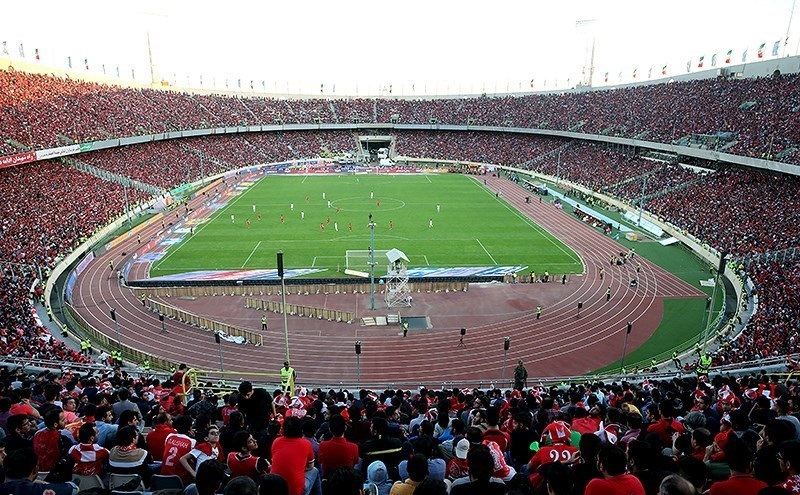
Live sport is the last appointment the whole country still keeps, and streaming platforms have noticed. Football leagues, cricket boards and American sports franchises now routinely sell rights to technology companies that did not exist as broadcasters a decade ago — and the sums rival anything the traditional networks ever paid. The auction room has moved, and television economics are moving with it.
The logic is subscriber maths. A drama series can be binged and cancelled in a weekend; a football season holds a subscriber for nine months and brings them back for the next one. Sport also delivers the young, male, advertising-friendly audiences that have drifted furthest from scheduled television.
Why the Bids Keep Climbing
Each auction now has more bidders with deeper pockets and different motives. For a global platform, rights in one country buy relevance in that market overnight; for leagues, splitting packages between broadcasters and streamers squeezes maximum value from competition. Research from regulators such as Ofcom charts how viewing has fragmented across services, and audience measurement firms like Nielsen now track streaming and broadcast in a single chart — sport tops both.
Fans, meanwhile, pay the integration bill: matches scattered across three subscriptions, each with its own app and its own kick-off delay. Our sports coverage tracks which leagues sit where, season by season.
What Happens Next
The open question is whether streaming economics can actually carry these prices. Advertising inside live streams is still maturing, piracy skims the most price-sensitive viewers, and several platforms have quietly retreated from rights they overpaid for. Leagues are experimenting in response — direct-to-consumer services of their own, shorter packages, and free highlights strategies designed to keep younger fans inside the tent.
What is not in doubt is the direction. The biggest cheque for the biggest matches is now as likely to come from a technology company as from a broadcaster, and every rights cycle rewrites what television means a little further.
Production is the hidden half of the bidding war. Winning rights buys the matches, but presenting them — studios, pundits, commentary teams, graphics, and the engineering to stream to millions simultaneously without the picture freezing at the decisive moment — costs a fortune more, and new entrants have learned that viewers judge the whole package, not the fixture list. Women’s sport has become a telling front in the same contest: rights once bundled away almost free now command competitive auctions of their own, as platforms chase audiences that broadcasters under-served for decades. Each cycle also redraws the map for smaller leagues, whose rights can jump in value simply because a streamer needs content for a new market — or collapse when that same streamer changes strategy.
The next auction, as ever, will tell the truth.
