
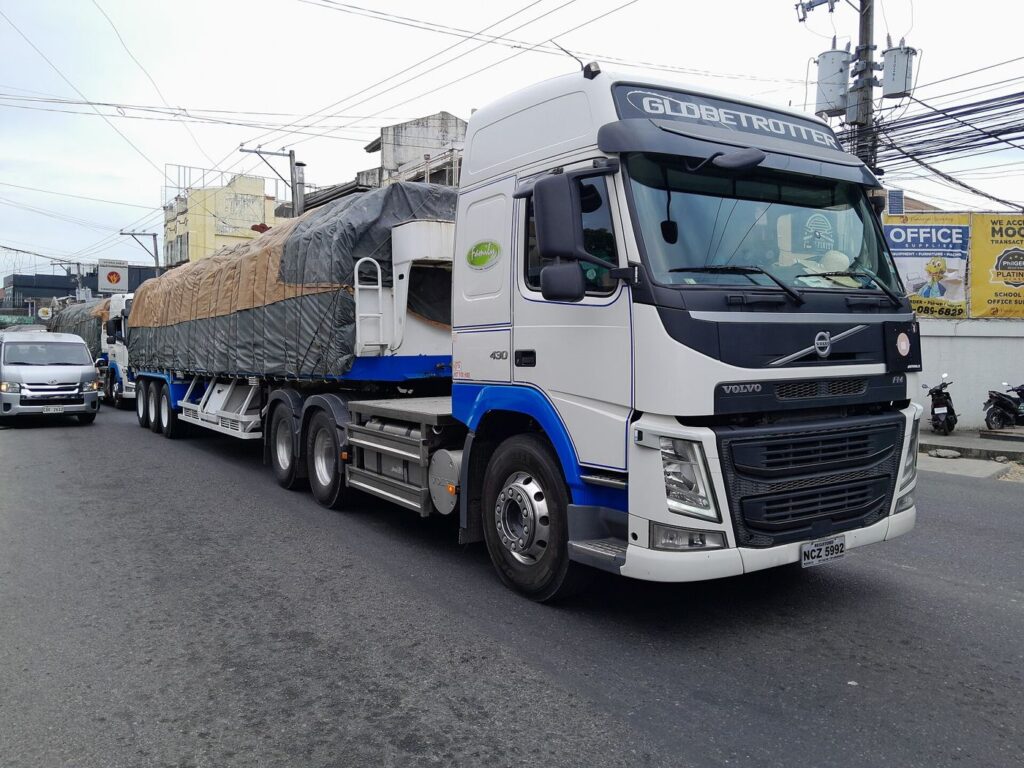
Driverless trucks are moving from test routes to real freight work on American highways. In October 2026, Kodiak AI and Charger USA began hauling refrigerated and dry freight on a 435-mile route between Dallas and Laredo in Texas, using autonomous trucks, and they plan to remove the safety driver once their safety case is complete. Aurora Innovation, the leading driverless truck company, has reported more than 500,000 driverless miles since its commercial launch and told investors it expects to run more than 200 driverless trucks by the end of 2026, growing to 30,000 by 2030. Einride and EASE began daily driverless freight runs between warehouses in Ohio on 6 October, with no one aboard. The trucks run on fixed highway routes, where the driving is simpler than in city traffic.
What the Evidence Shows
The business case is strong: the United States faces a chronic shortage of long-haul drivers, and trucks that can run around the clock could cut delivery times and costs. Carriers are starting to commit their own money, with Kodiak signing a binding agreement for 75 trucks and Aurora holding non-binding plans covering 1,000. Bosch has partnered with Kodiak to make the hardware production-ready, aiming to deliver about 100 driverless trucks by the end of 2026. The obstacles are regulatory and practical: a federal waiver covers only about 45 self-driving trucks, operated by Aurora, Kodiak, Waabi and Stack AV, and the rules for driverless freight are still being written. Safety is the other test, and every crash involving a driverless truck will be examined closely. For now the trucks run on defined highways, with remote operators watching. Reporting and analysis from sources such as IEEE Spectrum track the same developments, and specialists following driverless freight trucks say the direction is now consistent across independent lines of evidence.
The Wider Context
Adoption of driverless freight trucks follows a familiar pattern with an unfamiliar speed. Early users tolerate rough edges in exchange for advantage, mainstream users arrive when the tool disappears into existing workflows, and the market consolidates around whoever made that transition feel effortless. Vendors are racing less on raw performance now than on integration, support and trust.
What Happens Next
The realistic forecast for driverless freight trucks is steady integration rather than sudden replacement: embedded in products people already use, improving in increments, and regulated in proportion to its reach. The companies and institutions that plan on that basis, training staff and redesigning processes instead of chasing launches, are the ones the adoption data tends to vindicate. You can follow related developments in our coverage of technology.
It is also worth remembering how quickly the picture in this area has changed before. Positions that looked settled a few years ago have been revised as new data arrived, and the same humility is appropriate now. The strongest coverage of this subject, and the most useful advice, tends to come from sources that update their views openly when the facts move, rather than defending an earlier position long after it has stopped fitting the evidence available.
