
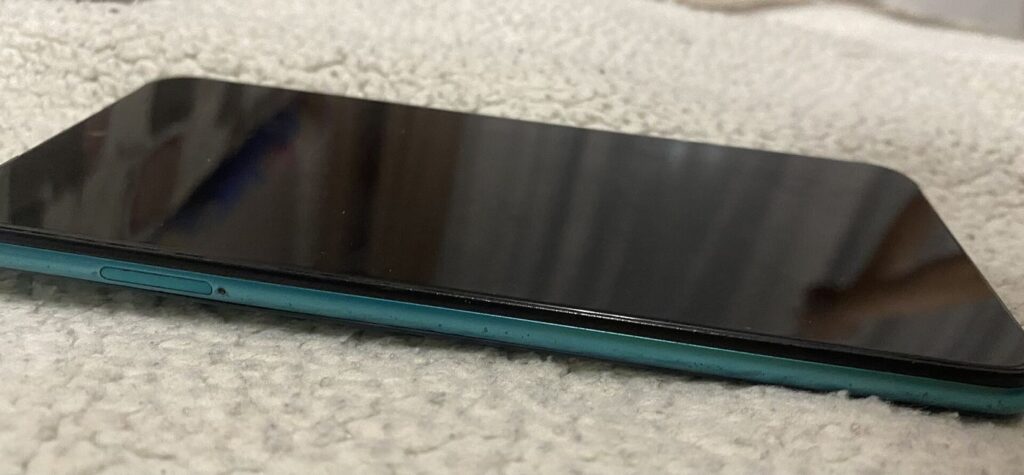
The small plastic SIM card has connected mobile phones to networks for more than 30 years, but it is quietly disappearing. Apple took the first decisive step in September 2022, when the iPhone 14 models sold in the United States shipped without a SIM tray at all, using only an eSIM, a programmable chip built into the phone. Samsung, Google and other makers have followed with eSIM support in their flagship phones, and a growing number of carriers around the world now let customers activate service by scanning a code instead of inserting a card. The change removes a fiddly piece of plastic and a slot that lets in dust and water, and it allows a single phone to hold several numbers at once, which is useful for people who travel or keep work and personal lines separate.
What the Evidence Shows
The transition is not without friction. Moving an eSIM to a new phone can be more awkward than moving a plastic card, and support varies widely between carriers and countries: some networks still require a visit to a shop, and travellers in some regions find local eSIMs hard to buy. There are security arguments on both sides. An eSIM cannot be physically removed and swapped into another phone by a thief, but criminals can still persuade a carrier to transfer a number, the SIM swap scam that continues to cause large losses. The direction of travel is nonetheless clear: the industry body GSMA expects eSIM to become the default, and each new generation of phones pushes the tray further towards extinction. The plastic SIM, like the headphone jack before it, is on its way out. Reporting and analysis from sources such as IEEE Spectrum track the same developments, and specialists following eSIM technology say the direction is now consistent across independent lines of evidence.
The Wider Context
Adoption of eSIM technology follows a familiar pattern with an unfamiliar speed. Early users tolerate rough edges in exchange for advantage, mainstream users arrive when the tool disappears into existing workflows, and the market consolidates around whoever made that transition feel effortless. Vendors are racing less on raw performance now than on integration, support and trust.
What Happens Next
The realistic forecast for eSIM technology is steady integration rather than sudden replacement: embedded in products people already use, improving in increments, and regulated in proportion to its reach. The companies and institutions that plan on that basis, training staff and redesigning processes instead of chasing launches, are the ones the adoption data tends to vindicate. You can follow related developments in our coverage of technology.
It is also worth remembering how quickly the picture in this area has changed before. Positions that looked settled a few years ago have been revised as new data arrived, and the same humility is appropriate now. The strongest coverage of this subject, and the most useful advice, tends to come from sources that update their views openly when the facts move, rather than defending an earlier position long after it has stopped fitting the evidence available.
